In today’s world, safety and emergency preparedness have become top priorities for educational institutions and workplaces. Schools and offices face a range of potential threats, including intruders, medical emergencies, fire incidents, and security breaches. To respond quickly and effectively, organizations are increasingly investing in lockdown alarm systems and security solutions for schools and offices.
A modern lockdown system is designed to instantly secure a building, alert occupants, and notify emergency responders with just a single activation. These systems play a critical role in reducing response time, protecting lives, and maintaining order during emergencies.
What Are Lockdown Alarm Systems?
A lockdown alarm system is an integrated security solution that allows a building to be secured immediately during a threat. When activated, the system can lock doors, trigger alarms, send alerts, and guide occupants to safety procedures.
Modern systems can be activated through:
- Panic buttons
- Mobile apps
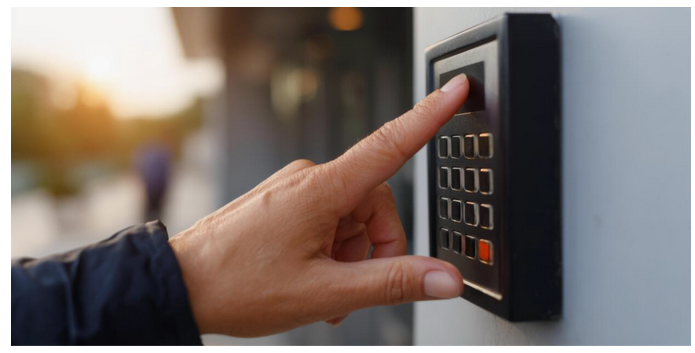
- Central control panels
- Wireless remote devices
- Security control rooms
Once triggered, the system initiates a coordinated emergency response that may include locking doors and broadcasting alerts throughout the building.
In advanced setups, lockdown systems are integrated with access control, CCTV, and communication tools for faster response and improved situational awareness. Lockdown Alarm systems from Camelott provide essential security for modern buildings.
Why Schools and Offices Need Lockdown Security Solutions
Schools and workplaces are busy environments with large numbers of people. In emergency situations, fast communication and immediate action are essential.
Common risks include:
- Unauthorized intruders
- Workplace violence
- Fire or hazardous incidents
- Medical emergencies
- Security threats in public areas
Without a proper system in place, response delays can increase risk and confusion. Lockdown alarm systems help eliminate hesitation by providing a clear, automated emergency response process.
How Lockdown Alarm Systems Work
Modern lockdown systems operate through a combination of detection, alerting, and control mechanisms.
- Threat Detection or Manual Activation
An emergency is identified by staff, sensors, or surveillance systems. A lockdown button or alert device is activated.
- System Activation
The system immediately responds by:
- Locking doors and secure zones
- Triggering alarms or sirens
- Activating visual warning lights
- Sending alerts to security teams
- Communication and Alerts
Notifications are sent to:
- Security personnel
- School or office administrators
- Emergency responders
- Staff and occupants
Alerts may include alarms, mobile notifications, or public announcements
.
- Emergency Response Execution
Security teams follow predefined lockdown procedures to manage the situation until it is safe to resume normal operations.
Types of Lockdown Alarm Systems
- Manual Panic Button Systems
These systems allow staff to trigger a lockdown instantly using a physical button installed in key locations like reception desks or classrooms.
- Wireless Lockdown Systems
Wireless systems provide flexibility and allow activation from multiple devices or locations within the building.
- Integrated Security Systems
These systems connect with:
- CCTV cameras
- Access control systems
- Fire alarms
- Communication networks
This integration improves coordination and response speed
.
- School-Specific Lockdown Systems
Designed for educational environments, these systems often include classroom alerts, hallway notifications, and centralized control panels.
- Workplace Lockdown Solutions
Used in corporate environments, these systems focus on securing offices, restricting access, and protecting employees during emergencies.
Key Features of Modern Lockdown Alarm Systems
Instant Activation
One-button or single-click activation ensures immediate response during emergencies.
Building-Wide Door Locking
Automatically secures all entry points to prevent unauthorized access.
Audible and Visual Alerts
Sirens, strobes, and voice announcements guide occupants and reduce panic.
Mobile and Remote Control Access
Authorized users can trigger or monitor lockdown status from mobile devices or control rooms.
Integration with Security Infrastructure
Modern systems work alongside CCTV, alarms, and access control systems for coordinated safety response
.
Emergency Alarm Systems in Schools
Schools require specialized safety systems due to the presence of students and staff in multiple locations.
Lockdown systems in schools often include:
- Classroom alert systems
- Silent panic alarms
- PA system announcements
- Emergency messaging tools
These systems ensure that students and teachers receive clear instructions during emergencies and can follow safety protocols effectively.
Some advanced systems also allow administrators to trigger partial or full campus lockdowns depending on the severity of the situation
.
Workplace Lockdown Security Solutions
Offices and commercial buildings require fast and efficient security responses. Workplace lockdown systems typically include:
- Reception panic buttons
- Secure entry door controls
- Staff notification systems
- Visitor access restrictions
These systems help protect employees from internal or external threats and ensure quick coordination with security teams.
Benefits of Lockdown Alarm Systems
- Faster Emergency Response
Immediate activation reduces response time and improves safety outcomes.
- Enhanced Security Control
Doors and sensitive areas can be locked instantly during a threat.
- Reduced Panic and Confusion
Clear alarms and instructions help occupants stay calm and follow procedures.
- Improved Communication
Real-time alerts ensure everyone receives timely information.
- Integration with Existing Systems
Modern solutions connect with CCTV, fire alarms, and access control systems for full protection
.
Key Considerations When Choosing a System
When selecting a lockdown alarm system for a school or office, consider:
- Ease of use during emergencies
- Speed of activation
- Integration with existing security systems
- Coverage across the entire building
- Reliability during power or network failure
- Maintenance and support availability
A well-designed system should function even during unexpected disruptions to ensure continuous protection.
Importance of Training and Drills
Technology alone is not enough. Staff and students must be trained to respond correctly during emergencies.
Effective preparation includes:
- Regular lockdown drills
- Staff role assignments
- Emergency response training
- System usage familiarization
Proper training ensures that the system is used effectively when it matters most.
Future of Lockdown Security Systems
Modern security technology is evolving rapidly. Future lockdown systems are expected to include:
- AI-based threat detection
- Smart sensors for real-time monitoring
- Cloud-based emergency management
- Automated emergency decision systems
- Mobile-first control platforms
These innovations will make emergency response faster, smarter, and more reliable.
Lockdown alarm systems and security solutions for schools and offices are essential tools for protecting lives and maintaining safety during emergencies. These systems provide rapid response, clear communication, and automated security actions that help minimize risk and confusion.
Whether in schools or workplaces, investing in a reliable lockdown system ensures better preparedness, improved safety, and peace of mind for everyone inside the building. As security challenges continue to evolve, having a modern and well-integrated lockdown solution is no longer optional—it is a necessity for every responsible organization.